Education, Early Childhood Education and Child Development - Associate in Arts
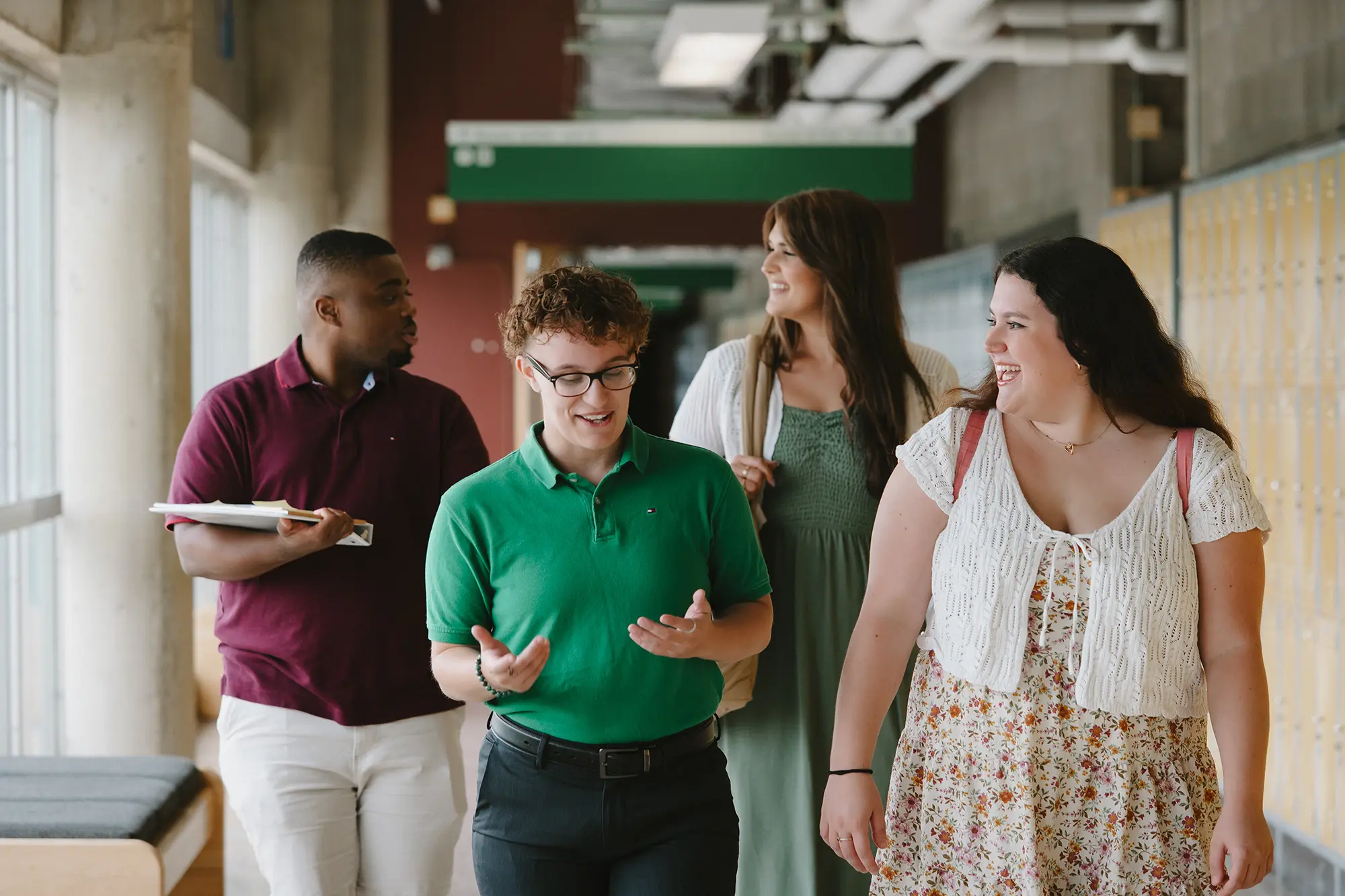
Child development and early childhood education majors are trained to work with families, parents, young children and those who impact the development and well being of children. Child development associates may be employed in a variety of educational and social settings including child care facilities, Head Start programs, preschools, public schools, group homes and residential care facilities. Child development associates are nationally recognized and have an ample number of bachelor’s degree programs within close proximity to further their education beyond the associate degree. Three field placements provide students with critical opportunities for competency-based professional development.
The Early Childhood Education and Child Development concentration is fully accredited through the National Association for the Education of Young Children.
Students who plan to transfer to a four-year college for early childhood education are required to meet with a Human Services faculty advisor during their first semester to map out their program of study. Students who have completed their CDA - Child Development Associate are required to meet with a Human Services faculty adviser to apply for prior learning assessment credits toward their degree.
Note: Students enrolled in the Human Services program must earn a grade of C or better in all Human Services courses. Many courses require prerequisites, corequisites and/or testing. See course descriptions for details.
Program Learning Outcomes
Upon completion of this program, a student will be able to:
- (a.) Understand the developmental period of early childhood from birth through age 8 across physical, cognitive, social and emotional, and linguistic domains, including bilingual/multilingual development. (b.) Understand and value each child as an individual with unique developmental variations, experiences, strengths, interests, abilities, challenges, and approaches to learning, and with the capacity to make choices. (c.) Understand the ways that child development and the learning process occur in multiple contexts, including family, culture, language, community, and early learning setting, as well as in a larger societal context that includes structural inequities. (d.) Use this multidimensional knowledge—that is, knowledge about the developmental period of early childhood, about individual children, and about development and learning in cultural contexts—to make evidence-based decisions that support each child. (Child Development and Learning in Context)
- (a.) Know about, understand, and value the diversity of families. (b.) Collaborate as partners with families in young children’s development and learning through respectful, reciprocal relationships and engagement. (c.) Use community resources to support young children’s learning and development and to support families, and build partnerships between early learning settings, schools, and community organizations and agencies. (Family-Teacher Partnerships and Community Connections)
- (a.) Understand that assessments (formal and informal, formative and summative) are conducted to make informed choices about instruction and for planning in early learning settings. (b.) Know a wide range of types of assessments, their purposes, and their associated methods and tools. (c.) Use screening and assessment tools in ways that are ethically grounded and developmentally, ability, culturally, and linguistically appropriate in order to document developmental progress and promote positive outcomes for each child. (d.) Build assessment partnerships with families and professional colleagues. (Child Observation, Documentation and Assessment)
- (a.) Understand and demonstrate positive, caring, supportive relationships and interactions as the foundation of early childhood educators’ work with young children. (b.) Understand and use teaching skills that are responsive to the learning trajectories of young children and to the needs of each child, recognizing that differentiating instruction, incorporating play as a core teaching practice, and supporting the development of executive function skills are critical for young children. (c.) Use a broad repertoire of developmentally appropriate, culturally and linguistically relevant, anti-bias, evidence-based teaching skills and strategies that reflect the principles of universal design for learning. (Developmentally, Culturally, and Linguistically Appropriate Teaching Practices)
- (a.) Understand content knowledge—the central concepts, methods and tools of inquiry, and structure—and resources for the academic disciplines in an early childhood curriculum. (b.) Understand pedagogical content knowledge—how young children learn in each discipline—and how to use the teacher knowledge and practices described in Standards 1 through 4 to support young children’s learning in each content area. (c.) Modify teaching practices by applying, expanding, integrating, and updating their content knowledge in the disciplines, their knowledge of curriculum content resources, and their pedagogical content knowledge. (Knowledge, Application, and Integration of Academic Content in the Early Childhood Curriculum)
- (a.) Identify and involve themselves with the early childhood field and serve as informed advocates for young children, families, and the profession. (b.) Know about and uphold ethical and other early childhood professional guidelines. (c.) Use professional communication skills, including technology-mediated strategies, to effectively support young children’s learning and development and to work with families and colleagues. (d.) Engage in continuous, collaborative learning to inform practice. (e.) Develop and sustain the habit of reflective and intentional practice in their daily work with young children and as members of the early childhood profession. (Professionalism as an Early Childhood Educator)
Requirements
| Code | Title | Hours |
|---|---|---|
| General Education Requirements | ||
| ENGL 1010 | Composition I (or ENGL 1010A) HUMN; Written Communication; Information Literacy | 3 |
| HMNS 2060 | Foundations of Teaching and Learning SSCI; Written Communication; Information Literacy | 3 |
| HMNS 2100 | Child Growth and Development Skills SSCI; Written Communication; Information Literacy | 3 |
| PSYC 2070 | Educational Psychology SSCI; Critical Thinking; Scientific Reasoning | 3 |
| Choose ONE Fine Arts or World Languages Elective: HUMN | 3 | |
| Introduction to Visual Arts Critical Thinking; Diverse Perspectives | ||
| Introduction to Music Non-Written Communication; Diverse Perspectives | ||
| History of Rock Non-Written Communication; Diverse Perspectives | ||
| Introduction to Theatre Information Literacy; Diverse Perspectives | ||
| Choose ONE Literature Elective: HUMN | 3 | |
| American Literature since 1865 Written Communication; Critical Thinking | ||
| World Literature to 16th Century Written Communication; Critical Thinking | ||
| Introduction to Literature Written Communication; Critical Thinking | ||
| Introduction to Film Written Communication; Critical Thinking | ||
| Introduction to Poetry Written Communication; Critical Thinking | ||
| Readings in the Novel Written Communication; Critical Thinking | ||
| Readings in the Short Story Written Communication; Critical Thinking | ||
| Women and Literature Written Communications; Diverse Perspectives | ||
| African-American Literature and Culture Non-Written Communication; Social and Professional Responsibilities | ||
| World Literature from 16th Century Written Communication; Critical Thinking | ||
| Children's Literature (Recommended; meets A.A. Gen Ed Requirement and URI Transfer)) Written Communication; Diverse Perspectives | ||
| Choose ONE Mathematics Elective: MSCI | 3-4 | |
| Mathematics for Liberal Arts Students (or MATH 1139C) Scientific Reasoning; Quantitative Literacy | ||
| Mathematics for Elementary School Teachers I Scientific Reasoning; Quantitative Literacy | ||
| Statistics for the Health and Social Sciences (or MATH 1175C) Scientific Reasoning; Quantitative Literacy | ||
| Pre-Calculus Mathematics Scientific Reasoning; Quantitative Literacy | ||
| Calculus I Scientific Reasoning; Quantitative Literacy | ||
| Choose ONE Science Elective: MSCI | 4 | |
| Biology in the Modern World Scientific Reasoning; Social and Professional Responsibilities | ||
| Explorations in Biology | ||
| Introduction to Geology - How the Earth Works Critical Thinking; Scientific Reasoning | ||
| Introduction to Oceanography (Formerly OCEN 1010 and 1030) Critical Thinking; Quantitative Literacy | ||
| General Physics I Critical Thinking; Quantitative Literacy | ||
| Choose ONE Social Sciences Elective: SSCI | 3-4 | |
| Introduction to Business Written Communication; Social and Professional Responsibilities | ||
| Survey of Western Civilization I Information Literacy; Diverse Perspectives | ||
| Survey of Western Civilization II Written Communication; Non-Written Communication | ||
| World History I Critical Thinking; Diverse Perspectives | ||
| World History II Critical Thinking; Diverse Perspectives | ||
| History of the United States to 1877 Information Literacy; Diverse Perspectives | ||
| General Psychology Critical Thinking; Scientific Reasoning | ||
| General Sociology Information Literacy; Diverse Perspectives | ||
| Marriage and Family Critical Thinking; Diverse Perspectives | ||
| Select one additional Gen Ed course from any of the Humanities, Math/Science, or Social Sciences domain (3 credits) | 3 | |
| Sub-Total General Education | 31-33 | |
| Major Requirements | ||
| HMNS 1010 | Introduction to Helping and Human Services | 3 |
| HMNS 1080 | Health, Nutrition and the Young Child | 3 |
| HMNS 1101 | Introduction to Teaching and Learning | 2 |
| HMNS 1210 | Field Experience and Seminar I -Child Development^ | 3 |
| HMNS 2120 | Curriculum for Young Children | 3 |
| HMNS 2150 | Parent and Child Relations | 3 |
| HMNS 2710 | Diversity and Cultural Competency Skills^ (Proposed Gen Ed) | 3 |
| HMNS 2900 | Human Services Capstone | 3 |
| Choose TWO Human Service Electives: 1 | 6 | |
| Foundations of Aging, Older Adults, and Caregiving (For students considering the URI-HDF programs such as Gerontology, recommended choice: HMNS 2310 + HMNS 1090 Gerontology and Elder Care ) | ||
| Characteristics and Needs of Special Populations | ||
| Guiding Children's Behavior (May only complete HMNS 2140 or HMNS 2190) | ||
| Infant/Toddler Care: Methods and Materials (May only complete HMNS 2140 or HMNS 2190) | ||
| Field Experience Seminar II-Child Development^ | ||
| Field Experience Seminar III-Child Development^ | ||
| Sub-Total Major Requirements | 29 | |
| Total Hours | 60-62 | |
- 1
-
A minimum of 60 credits must be completed to earn the AA degree and 30 of those credits must apply to the General Education requirements. If a student did not meet all General Education area requirements as prescribed above, these 6 credits may be used to meet those requirements.
- ^
-
Work-based learning course
| Code | Title | Hours |
|---|---|---|
| World Language Course List | ||
| ASLG 1010 | American Sign Language I | 3 |
| ASLG 1020 | American Sign Language II | 3 |
| ITAL 1030 | Elementary Italian I | 3 |
| ITAL 1040 | Elementary Italian II | 3 |
| SPAN 1030 | Elementary Spanish I | 3 |
| SPAN 1040 | Elementary Spanish II | 3 |
| SPAN 2010 | Intermediate Spanish I | 3 |
| SPAN 2020 | Intermediate Spanish II | 3 |
Recommended Course Sequence
| Year 1 | ||
|---|---|---|
| Semester 1 | Hours | |
| ENGL 1010 | Composition I (or ENGL 1010A) | 3 |
| HMNS 1010 | Introduction to Helping and Human Services | 3 |
| HMNS 2100 | Child Growth and Development Skills | 3 |
| PSYC 2070 | Educational Psychology | 3 |
| Choose ONE of the following: | 3-4 | |
| Introduction to Business | ||
| Survey of Western Civilization I | ||
| Survey of Western Civilization II | ||
| World History I | ||
| World History II | ||
| History of the United States to 1877 | ||
| A Survey of East Asian Civilization | ||
| General Psychology | ||
| General Sociology | ||
| Marriage and Family | ||
| Hours | 15-16 | |
| Semester 2 | ||
| HMNS 1210 | Field Experience and Seminar I -Child Development^ | 3 |
| HMNS 1101 | Introduction to Teaching and Learning | 3 |
| HMNS 2120 | Curriculum for Young Children | 3 |
| Choose ONE of the following: | 3-4 | |
| Mathematics for Liberal Arts Students (or MATH 1139C) | ||
| Mathematics for Elementary School Teachers I | ||
| Statistics for the Health and Social Sciences (or MATH 1175C) | ||
| Pre-Calculus Mathematics | ||
| Calculus I | ||
| Choose ONE of the following: | 3 | |
| American Literature since 1865 | ||
| World Literature to 16th Century | ||
| Introduction to Literature | ||
| Introduction to Film | ||
| Introduction to Poetry | ||
| Readings in the Novel | ||
| African-American Literature and Culture | ||
| Readings in the Short Story | ||
| Women and Literature | ||
| World Literature from 16th Century | ||
| Children's Literature (Meets A.A. Gen Ed Requirement and URI Transfer) | ||
| Choose ONE of the following: | 3 | |
| Hours | 18-19 | |
| Year 2 | ||
| Semester 1 | ||
| HMNS 2060 | Foundations of Teaching and Learning | 3 |
| HMNS 2150 | Parent and Child Relations | 3 |
| HMNS 2710 | Diversity and Cultural Competency Skills^ | 3 |
| Choose ONE of the following: | 4 | |
| Biology in the Modern World | ||
| Explorations in Biology | ||
| Introduction to Geology - How the Earth Works | ||
| Introduction to Oceanography (Formerly OCEN 1010 and 1030) | ||
| General Physics I | ||
| General Psychology | ||
| General Sociology | ||
| Marriage and Family | ||
| Choose ONE of the following: | 3 | |
| Foundations of Gerontology and Elder Care (For students considering the URI-HDF programs such as Gerontology, recommended choice: HMNS 2310 + HMNS 1090 Foundations of Gerontology and Elder Care) | ||
| Characteristics and Needs of Special Populations | ||
| Guiding Children's Behavior (or HMNS 2190 Infant/Toddler Care: Methods and Materials) | ||
| Field Experience Seminar II-Child Development^ (Recommended) | ||
| Field Experience Seminar III-Child Development | ||
| Hours | 16 | |
| Semester 2 | ||
| HMNS 1080 | Health, Nutrition and the Young Child | 3 |
| HMNS 2900 | Human Services Capstone | 3 |
| Choose ONE of the following: | 3 | |
| Foundations of Gerontology and Elder Care (For students considering the URI-HDF programs such as Gerontology, recommended choice: HMNS 2310 + HMNS 1090 Foundations of Gerontology and Elder Care) | ||
| Characteristics and Needs of Special Populations | ||
| Guiding Children's Behavior (or HMNS 2190 Infant/Toddler Care: Methods and Materials) | ||
| Field Experience Seminar II-Child Development^ | ||
| Field Experience Seminar III-Child Development | ||
| Choose ONE of the following: | 3 | |
| Introduction to Visual Arts | ||
| Introduction to Music | ||
| History of Rock | ||
| Introduction to Theatre | ||
| Choose ONE of the following: | 3 | |
| Hours | 15 | |
| Total Hours | 64-66 | |
- ^
-
Work-based learning course
Transfer
Please meet with an Academic Advisor/Student Success Coach if you are interested in earning a bachelor's degree. Your Academic Advisor will help you select the courses that best prepare you for transfer to a four-year college or university.
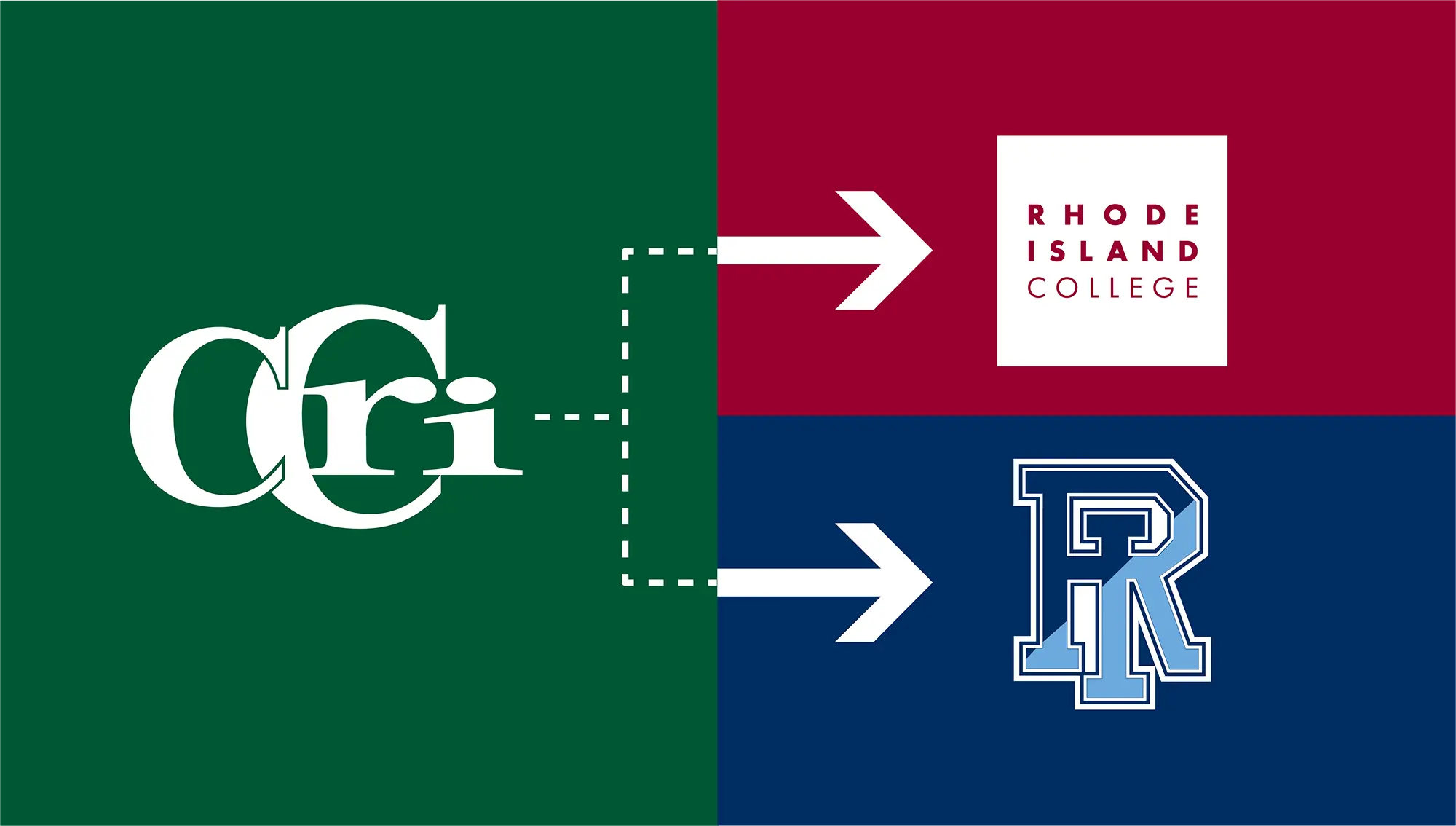
Check out the Joint Admissions Agreement if you are interested in transferring to Rhode Island College or the University of Rhode Island. The JAA program offers seamless transfer to RIC or URI with additional benefits. Transfer information, events, and articulations are available on the Transfer Center website.
Where Opportunity Meets Affordability
Why Choose CCRI?
CCRI, one of New England's most affordable colleges, is now completely free for Rhode Island students heading straight from high school thanks to the Rhode Island Promise Scholarship. For those pursuing a bachelor's degree, starting at CCRI can also lead to up to 30% discounted tuition at Rhode Island College or the University of Rhode Island upon transferring.
Our Services
We Are Here for You!
CCRI puts your success at the center of all we do. Staff from our Advising and Counseling, The Tutoring Center, Career Services, Benefits Hub, Financial Aid, Veteran Services, and the entire Division of Student Services is here every step of the way to help you reach your academic and career goals.
At One Stop we assist prospective, current, and former students, with a variety of processes including applying to college, checking financial aid status, turning in required documents, registering for classes, paying your bill, and more!
The Advising Center offers a full range of services for CCRI students. These services include academic advising, career, educational and personal counseling services.
CCRI's Tutoring Center provides free in-person and online tutoring and academic coaching to help you achieve success.
Career Services collaborates with and prepares our diverse student population to make well-informed career decisions through professional readiness, exploration, and work-based learning opportunities.
The Benefits Hub offers students basic needs assistance grounded in respect, trust, and equity.
CCRI offers financial assistance to students who might otherwise be unable to further their education without such support. The Financial Aid Department is here to guide you through the process.
The CCRI Veteran Services Office is committed to being a resource to all VA education beneficiaries.
Where Campus Life Comes to Life!
Beyond the Classroom
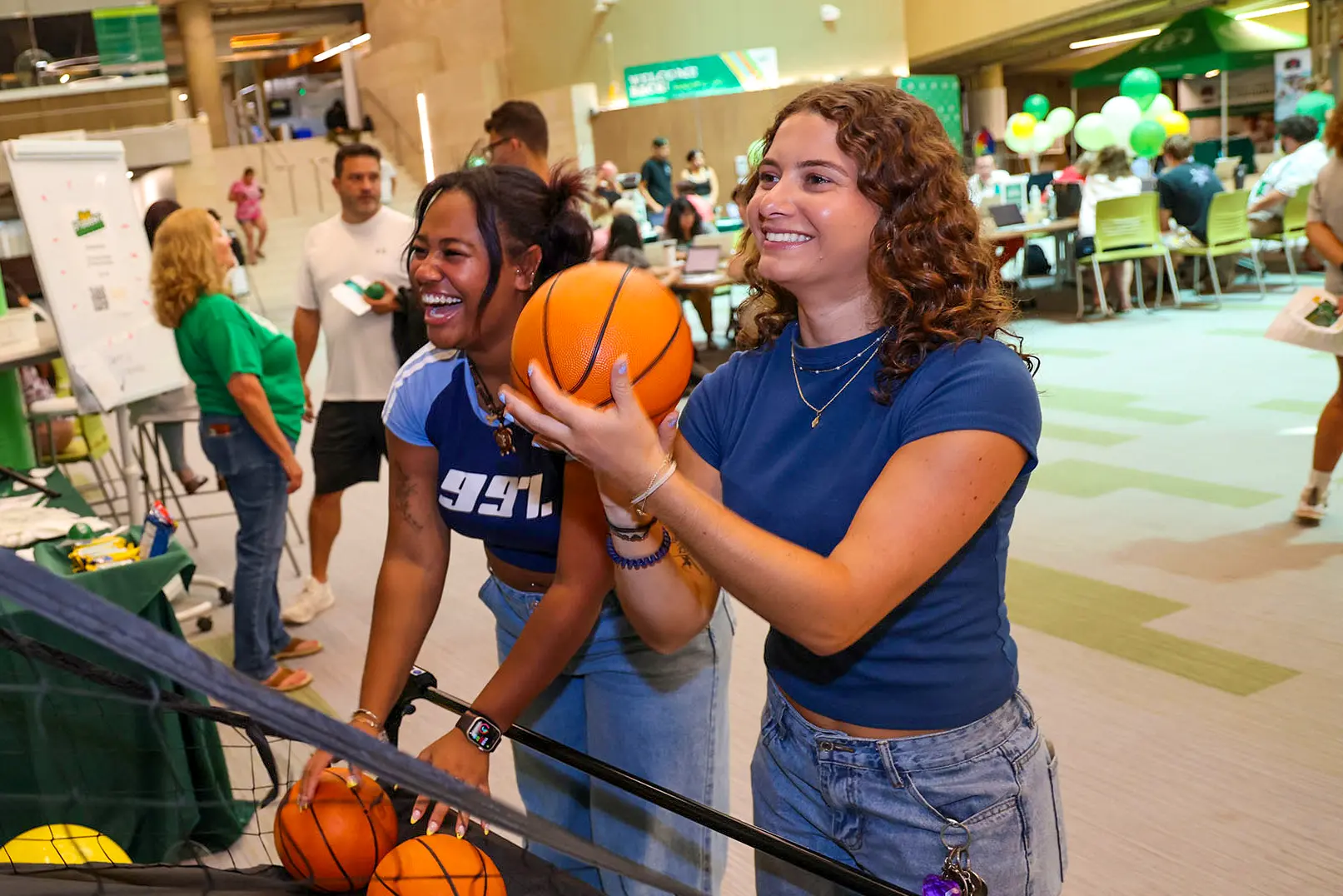
CCRI offers a vibrant campus life with a variety of events, athletic programs, and student clubs to keep you engaged and connected throughout your college experience.
Related Resources
Welcome to CCRI
Apply for Free Today!We're excited about your interest in attending the Community College of Rhode Island! Whether you're looking to discover your career path, start or complete your college degree, or take classes to enrich your life, we look forward to having you join our community!