Rachel Rogers Takes Us Inside CCRI's Center For Teaching Excellence
08/06/2026
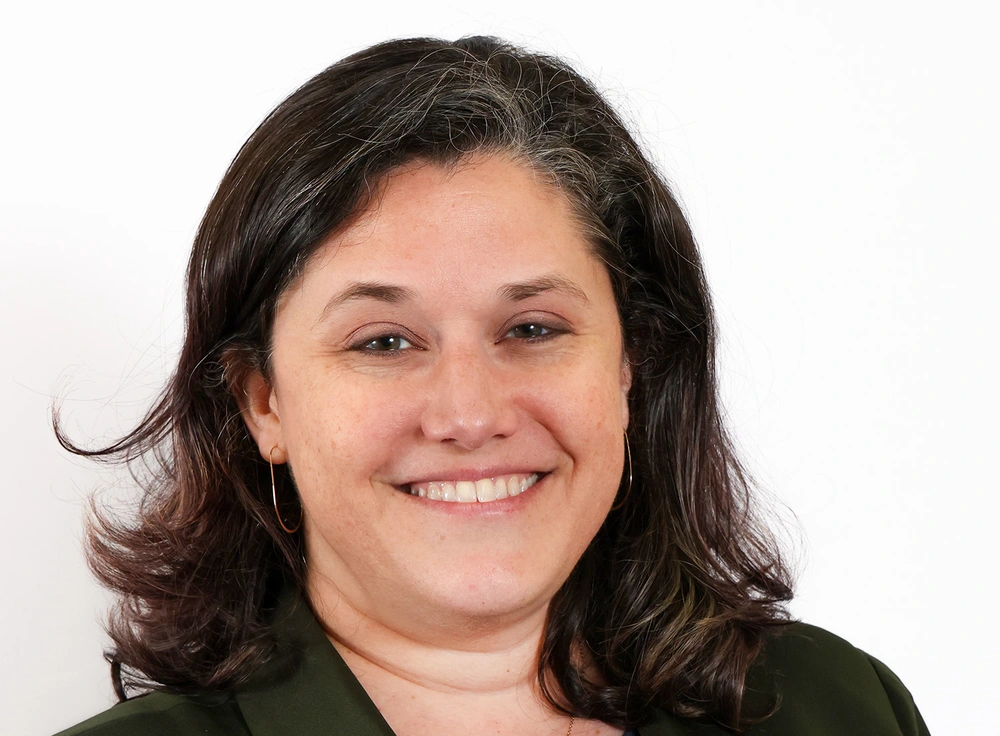
WARWICK, R.I. – Rachel Rogers knew she belonged in the classroom after giving a single undergraduate linguistics presentation. Driven by a desire for a career that was "all teaching, all the time," she joined the Community College of Rhode Island in 2011. Today, the Psychology Professor also serves as the Director of CCRI’s Center for Teaching Excellence (CTE).
In that role, Rogers leads a collaborative community designed to bridge the gap between subject-matter expertise and effective instruction. By offering accessible professional development, she helps faculty combat burnout, build connections, and create energized classrooms where students can thrive.
In this edition of Thinkers, Doers & Achievers, Knight Knowledge spoke with Rogers to learn more about her career, the vital resources offered by the CTE, and why investing in faculty growth translates directly to student success.
Knight Knowledge: You joined CCRI as a Psychology professor in 2011 and now lead the Center for Teaching Excellence. Tell us a little about your journey and what drew you to this role.
Rogers: My journey started my junior year of college at Auburn University. I had to give a presentation in my linguistics class about language from the perspective of psychology (my major), and I absolutely loved it. I spoke to my advisor after that and mentioned that I might like to teach college one day. She pointed me to another professor, who worked with the Auburn grad students who taught in the Psychology department, and he recommended a few programs that I might want to apply to, since they incorporated training in how to teach alongside the content of psychology.
I went to the University of New Hampshire for graduate school, where I was coached through teaching my first two college courses along with a cohort of my peers. At the end of my time at UNH, I had earned a master’s and Ph.D. in psychology, and a Certificate in College Teaching from the extra courses I took on pedagogy.
I looked for a job that was all teaching, all the time, and in New England, so I was thrilled when I was offered my job at CCRI. After a year or two of settling into full-time professoring, I got involved with the Center for Innovative Teaching, Learning, and Assessment (CITLA), which was run by Jeanne Mullaney from the World Languages and Cultures Department. In the COVID years, CITLA was restructured a bit, and we ended up with the Center for Teaching Excellence, and then-VPAA Rosemary Costigan offered me the director position.
I am fascinated by psychology in general, and good teaching and learning in particular. I love helping people and running workshops. I love talking about teaching strategies, planning events, and giving folks some insight into why people do what we do. Taking on this position felt like a natural fit for me.
Knight Knowledge: For those who may not be familiar with it, what is the Center for Teaching Excellence, and why is it such an important resource for CCRI faculty and, ultimately, our students?
Rogers: The Center for Teaching Excellence, to quote our mission statement, is “a collaborative, faculty-led community that supports continuous development and champions high-impact, equitable teaching and learning practices for our diverse student body.” Along with the CTE Board, we offer professional development opportunities that are by faculty and for faculty.
A lot of professors in the Academy are not given training in how to teach well when they go through graduate school. So it is possible to be the world’s best expert in your field and have little idea how to teach well. It’s also possible to be a good instructor who would either like to improve, or just try something different and keep things fresh in your classes. We try to offer PD on topics that are timely, actionable, and relevant to community college classrooms. A professor may not need to or want to implement every single strategy we highlight, but it’s useful to hear from other perspectives on how to teach well. You may leave an event with an idea for a small tweak that could make a big difference, a new collaborator for a teaching-related project, or confidence that you are doing pretty well.
All this is important because when we teach well, when we structure our courses, assignments, and resources well, our students are more likely to learn well. When we are fully present, enthusiastic, supportive, and confident in our classes, our students will notice and respond.
Knight Knowledge: The fall semester is just around the corner. What programs, workshops, or initiatives are you most excited about, and what can faculty expect from the CTE this semester?
Rogers: This fall, we’ve got some repeats and some new options ready to go. Instructors can see more information in the first issue of The Learning Curve this year on August 31! One of the new things I’m especially excited about is the “Fun Size” PD Menu. I’m preparing a list of 20-minute workshops that can be incorporated into a department meeting. Chairs can ‘order’ off the menu and invite me to a meeting, where I’ll be able to meet more people, and offer a small, actionable pedagogy snack to folks who may not be able to make it to other CTE events very often.
Knight Knowledge: Whether someone is a new faculty member or has been teaching for years, what are some of the easiest ways to get involved with the CTE and take advantage of its offerings?
Rogers: I really love to read, so this answer is probably at least partly a result of who I am. The easiest way to take advantage of what CTE has to offer is to check out a book from our collection in the CCRI Library. With four campuses and hundreds of different schedules, CCRI faculty can’t always make it to the events and workshops CTE offers. But books are portable, and easy to consume in small portions at any time of day.
We have so many books on topics related to teaching, grading, learning, working in higher education, assessing learning, using technology in learning, and even more philosophical works on the nature of college or learning itself. Anyone in the CCRI community can check out one of these books, and even have it delivered to the campus of your choice for pick up! I love to recommend books and talk about them, so if you want some help picking something to start with, please email me to chat about it!
I’d also like to remind everyone that instructors get a biweekly email digest of all the teaching-and-learning-related professional development opportunities from CTE and other groups on campus. So…read The Learning Curve too!
Knight Knowledge: One of the hallmarks of the CTE is fostering a culture of collaboration and continuous improvement. What message would you share with faculty about the value of investing in their own professional growth, and how does that translate into better outcomes for our students?
Rogers: Teaching is a caring profession. When we teach, we spend a lot of time preparing, performing, and giving parts of ourselves to our classes. We also spend a lot of time grading and giving feedback to our students. Teaching is also a fairly solitary profession. We’re usually the only instructor in the room facing a room full of students. This combination can be really draining, and foster some imposter phenomenon.
But you don’t have to go it alone. One of CTE’s goals is to build community among faculty at our events.
Investing in your own professional growth is good for you as a person—reminding you you’re not alone, that you can develop and improve your skills. Connecting with others and with the values you hold for teaching is a way to reduce the likelihood of burnout.
Energized, resourced, prepared, confident, connected faculty build good learning environments. Students learn better in those spaces. That’s what CTE is trying to support.
Have something to share?
Submit a StoryHave a story about a student, colleague, or yourself?! Share your story with CCRI and engage with the community.