How Kathy O’Neil Evans is Transforming Adult Education into Gateway for Career Growth
09/17/2026
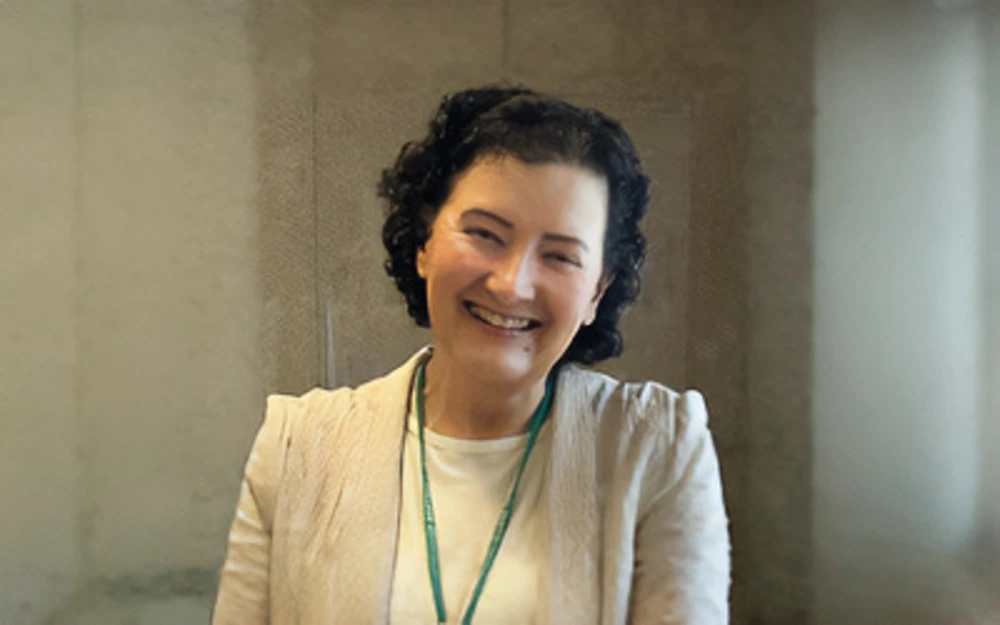
WARWICK, R.I. – After more than two decades in community-based adult education, Kathy O’Neil Evans brought her expertise to the Community College of Rhode Island with a clear vision: earning a GED or mastering English shouldn't be an end goal, but the beginning of a larger career pathway. As CCRI’s Director of Adult Education & Literacy Services, she is focused on helping adult learners transition seamlessly into higher education and workforce training.
Under her leadership, CCRI is meeting students exactly where they are. By launching Blended Learning Labs for working parents and bringing specialized English instruction directly into workplaces like ZOLL, Evans and her team are transforming adult education into an accessible, welcoming front door for the college's broader degree and certificate programs.
In this edition of Thinkers, Doers & Achievers, Knight Knowledge spoke with Evans to learn more about her career, the power of working with students in their own communities, and her vision for the future of adult education in Rhode Island.
Knight Knowledge: Before coming to CCRI, what did your career path look like, and what ultimately drew you to adult education and to this work at the college?
Evans: Before coming to CCRI, I spent more than two decades working in community-based adult education, most recently spending 10 years leading an adult education program in Newport. I was drawn to this work because adult education can have such an immediate and meaningful impact on people’s lives. Students come to us with a goal, whether it is earning a GED, improving their English, enrolling in workforce training, or finding a better job, and we have the opportunity to help them take that next step.
One of the most rewarding parts of this work is watching students flourish as they begin to recognize what they are capable of accomplishing. Sometimes that confidence is just as important as the credential or skill they came to us to earn. In June, we had the opportunity to celebrate 49 students who earned their GEDs, and seeing their pride in what they had accomplished was a wonderful reminder of why this work matters.
Coming to CCRI gave me the opportunity to build on that work while connecting Adult Education more intentionally to college and workforce pathways and helping students see even more possibilities for what can come next.
Knight Knowledge: Adult Education & Literacy Services reaches thousands of Rhode Islanders, many of whom may not have initially seen college as an option for them. What do you want people at CCRI to understand about the students your team serves and what brings them through your doors?
Evans: Our students come to us with incredible strengths and life experiences, and our role is to build on those strengths. Many are working, raising families, learning English, or returning to education after being away from school for many years. Some may not initially see themselves as “college students,” but Adult Education can be their first connection to CCRI.
In our Bridge program, goal setting is part of the registration process because we want to understand not only why students come to us, but where they hope to go next. Listening to our students is also an important part of how we shape our programs. When students told us they needed additional time, flexibility, and support outside of their regular classes, we responded by creating Blended Learning Labs. The labs provide another opportunity for students to work toward their goals with support while balancing the work, family, and other responsibilities that are part of their lives.
When I visit our classes, I am continually inspired by the stories of persistence I hear. One of our students, Eloisa, is a CCRI employee and a hardworking mother who had been pursuing her GED for years. Work and family responsibilities sometimes interrupted that journey, but she kept coming back, and this year, she earned her GED.
Stories like Eloisa’s remind us that our students already bring determination and resilience through our doors. Our job is to listen, build on those strengths, remove barriers where we can, and help students see a path toward what comes next.
Knight Knowledge: One of your priorities has been creating stronger pathways from programs like Bridge and English Language Studies into college and workforce training. Why is it important that earning a GED or improving English skills be viewed as a beginning rather than an end point?
Evans: Earning a GED or improving English skills can be life-changing, but I don’t want that accomplishment to be the end of a student’s relationship with CCRI. It should open the door to what comes next—workforce training, a credential, college, career advancement, or another personal goal.
This past year, we partnered with CCRI’s Advantage program to assess higher-level learners in our English Language Studies (ELS) program for college readiness. Advantage can be a natural next step for both ELS and GED students because it provides a continuation of the academic supports that many adult learners need as they transition into college.
One of my biggest priorities is making sure we follow through with students beyond that first milestone. As our new sessions have started, I’ve been visiting classes and talking with students about their goals. What has really stood out to me is how many want to continue their education right here at CCRI, whether through workforce training or an academic pathway. Our students are coming to CCRI for a reason, and I want us to make sure that when they are ready for their next step, there is a clear pathway and a connection to help them get there.
Knight Knowledge: Your work increasingly extends beyond CCRI’s campuses and into workplaces, schools, and communities. How is that changing the way you think about the role CCRI can play in expanding access to education across Rhode Island?
Evans: It reinforces for me that access does not always begin on a college campus. Sometimes the best way to reach someone is at their workplace, their child’s school, or through a trusted community organization. When CCRI brings education into those spaces, we are meeting people where they are and creating a connection to the college that may not have existed otherwise.
We work with employers across different sectors, including healthcare, education, and manufacturing, to design customized programs based on the needs of their employees. At ZOLL, for example, we have brought English language and digital literacy instruction directly to employees at their workplace, and we continue to build similar partnerships with employers across the state.
We are also developing new ways to reach people through schools and community partnerships. Our new collaboration with the Middletown Public Schools is a great example. Through the Middletown Multilingual Learning Collaborative, we are bringing practical, conversational English instruction into the community, with a focus on helping multilingual residents strengthen the English skills they use in the workplace, with their children’s schools, and in everyday life.
These partnerships allow CCRI to reach people who may never have thought to come to us first. I see Adult Education as an important bridge between Rhode Island communities and everything CCRI has to offer. When we meet people where they are, build relationships, and create accessible entry points, we also have an opportunity to help them see what their next step at CCRI could be.
Knight Knowledge: When you look ahead, what excites you most about where Adult Education & Literacy Services is headed, and what would you like to see the department accomplish next?
Evans: What excites me most is the opportunity to continue building stronger connections between Adult Education, Workforce Development, and the college. There are so many opportunities to create pathways that allow adult learners to build their academic and English skills while also preparing for careers, earning credentials, and continuing their education at CCRI.
Our new ESL for CDL program is a great example of that potential. The program grew out of conversations with commercial drivers who were looking for English classes and needed support with the English communication skills required in their industry. We listened to that need and developed specialized instruction for current and aspiring commercial drivers. Recent federal workforce guidance has also emphasized the importance of English-language instruction and workforce training working together for CDL participants, and RIDE has already expressed interest in exploring how we could build on this work as an Integrated Education and Training model in a future funding cycle.
The program also complements CCRI’s existing bus driver training and potential future CDL training, creating another opportunity for Adult Education and Workforce Development to work together to build connected pathways for students interested in transportation careers.
That is the kind of opportunity I am excited about—bringing Adult Education and Workforce together to create intentional pathways for adult learners. I would like to see us continue listening to students, employers, and communities, identifying gaps, and developing programs that respond to those needs while creating clear connections to workforce training, credentials, and academic programs at CCRI.
None of this work happens without the dedicated Adult Education staff and instructors who support our students every day. Their commitment, creativity, and willingness to meet students where they are make these programs and opportunities possible. Just as important are the partnerships we build throughout CCRI. By working more intentionally across Adult Education, Workforce Development, academic programs, and student supports, we can create smoother transitions and stronger pathways for adult learners.
Ultimately, I would like Adult Education & Literacy Services to be a welcoming front door to CCRI, whether that first connection happens in one of our classrooms, at a workplace, in a school, or in the community, and to make sure we follow through with students as they work toward the goals that brought them to us.
Have something to share?
Submit a StoryHave a story about a student, colleague, or yourself?! Share your story with CCRI and engage with the community.