Respiratory Therapy - Associate in Applied Science
Occupational Title: Respiratory Therapist
This program may be completed at the Flanagan (Lincoln) Campus.
Program accredited by the Commission on Accreditation for Respiratory Care (CoARC), 264 Precision Blvd., Telford, TN, 37690, www.coarc.com; 817-283-2835.
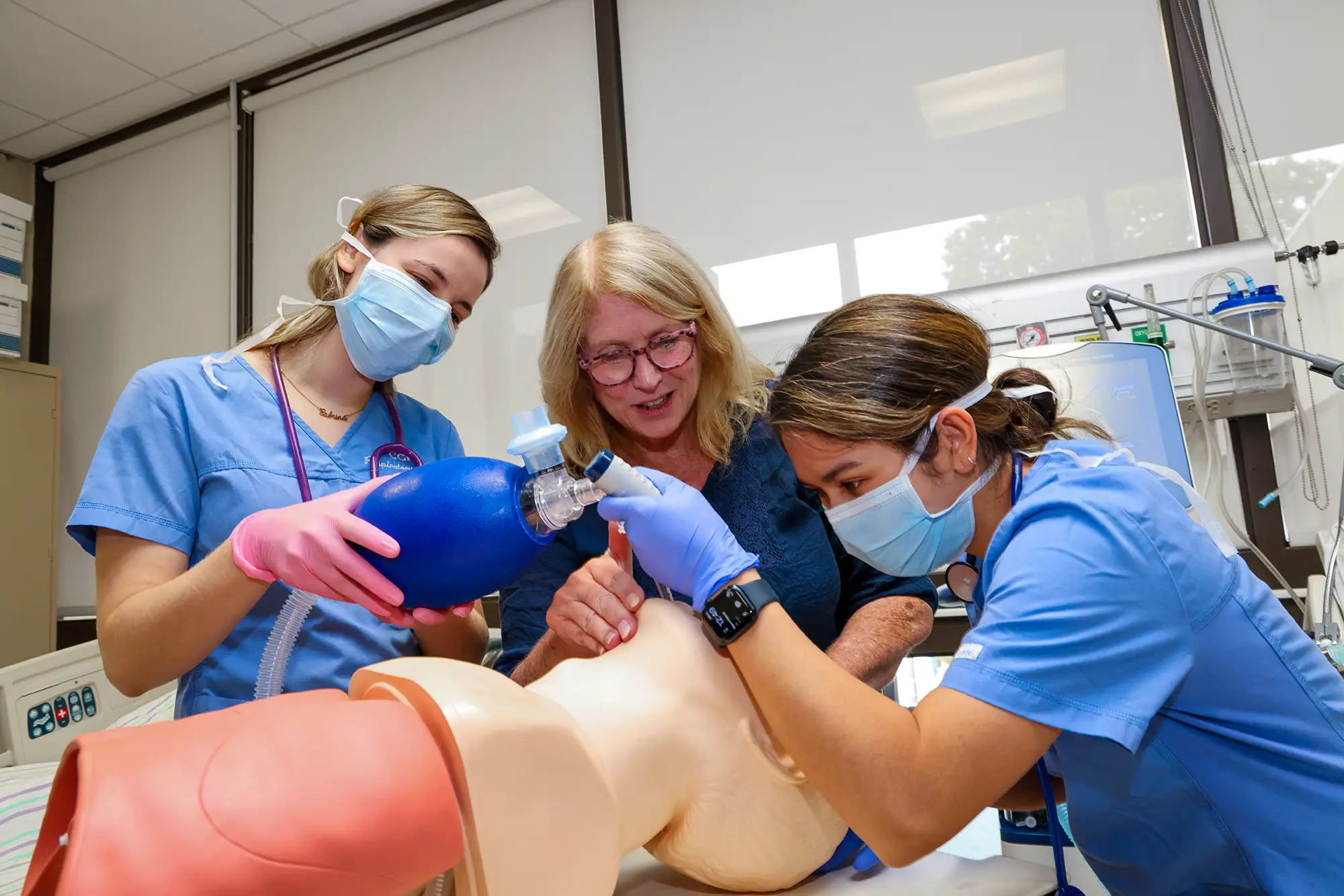
Respiratory therapy is an allied health profession in which respiratory therapists work under the direction of a physician to evaluate, treat and care for patients with breathing disorders. This two-year program incorporates college classes with clinical practice. Students learn fundamental respiratory care concepts and to perform procedures with attention to critical detail while maintaining aseptic technique and appropriate safety precautions.
The program offers students clinical training in a variety of settings, including neonatology, critical care, pulmonary function, clinic and home care.
Graduates of the Respiratory Therapy program are eligible to sit for the National Board for Respiratory Care (NBRC) Entry Level (CRT) credentialing examination (requirement for state licensing) and the National Board for Respiratory Care (NBRC) Advanced Level (RRT) credentialing examinations.
The mission of the Respiratory Therapy program is to prepare students as registered respiratory therapists
Technical standards: The physical activity (strength) for respiratory therapy (076.361-014) is classified as "medium" by the Department of Labor in the Dictionary of Occupational Titles.
Note: Many courses require prerequisites, corequisites and/or testing. See course descriptions for details.
General Policies
See important general policies in the beginning of this section on the performance-based Health Sciences application process, academic progress, advanced placement, background check, CPR certification, health insurance, health records, reinstatement, transportation, uniforms, and equipment.
Minimum Requirements to Apply to the Respiratory Therapy Program
- CCRI application: Complete and submit a CCRI Application for Enrollment. General Studies should be the first choice; pre-Respiratory Therapy (RESP) should be the second choice.
- High school transcript: An official copy of a high school or GED® transcript, including date of graduation, must be provided. If the applicant holds a baccalaureate degree from an accredited college or university, the high school transcript may be waived; a college transcript must indicate completion and degree awarded.
- CCRI uses a multiple measures approach to determine admission into Health Science programs (For example: High School
and GED® transcripts, SAT, ACT, HESI A2 or ACCUPLACER scores). Placement can also
be determined by taking college level English and Math courses. Anyone with a degree
from an institutionally accredited higher education institution may have this requirement waived following
submission of the official college transcript. If using ACCUPLACER, the following guidelines are used.
- Placement testing – Complete a standardized test (ACCUPLACER) issued by CCRI’s Advising Center. Students may NOT retake the ACCUPLACER test before completing the remedial course/courses. Note: For application purposes, ACCUPLACER testing can be waived for students who provide documentation of a bachelor’s degree or higher. Students are advised that individual departments may still require ACCUPLACER testing as a prerequisite for their courses.
- Reading comprehension test must show competency of 90 or above in the Classic ACCUPLACER or a score of 259 or above in the Next Generation ACCUPLACER or students must complete Reading and Study Skills Program (ENGL 1002) with a grade of B- or better. Composition I for Speakers of English as a Second Language (ESL) (ENGL 1300) will not substitute for Composition I (ENGL 1010).
- Complete courses required for admission with a grade of C+ or better:
- Human Anatomy & Physiology I (BIOL 2201)
- Introduction to Respiratory Therapy (RESP 1000)
- College Algebra (MATH 1200)
- (Statistics for the Health and Social Sciences (MATH 1175) or (Statistics for the Health and Social Sciences (MATH 1175C) or Introduction to College Mathematics (MATH 1025) also meet this requirement)
- GPA: A grade point average of 2.5 or better for all college courses taken.
- Health Sciences application: Complete and submit a performance-based Health Sciences application including a preadmission
degree evaluation during the open enrollment period.
- Important: Submission of a performance-based Health Sciences application does not guarantee acceptance to the program. Acceptance is based on points earned as listed in the program acceptance criteria point system. (See Dean of Health and Rehabilitative Sciences webpage.) At the time of admission, students must meet the current admission requirements. Students declining acceptance into the program for the semester offered must resubmit a performance-based Health Sciences application and meet the current admission requirements. Once accepted, students must attend a mandatory orientation conducted by the Allied and Rehabilitative Health Department.
- Background check: Students are required to submit a background check when directed by notification from One Stop Student Services.
Program Requirements
- Maintain a cumulative GPA of 2.5 or higher
- Obtain at least a grade of C+ in CHEM, MATH, BIOL, and RESP-coded courses
Program Learning Outcomes
Upon completion of this program, a student will be able to:
- Demonstrate cognitive behavior in the clinical setting as performed by registered respiratory therapists (RRTs).
- Exhibit psychomotor skills in the clinical setting as performed by registered respiratory therapists (RRTs).
- Demonstrate attitudes and behaviors in the clinical setting as performed by registered respiratory therapists (RRTs).
Requirements
| Code | Title | Hours |
|---|---|---|
| Preadmission Requirements | ||
| These courses must be taken prior to program admission: | ||
| BIOL 2201 | Human Anatomy & Physiology I | 4 |
| BIOL 2202 | Human Anatomy & Physiology II (Course not required before applying to program. Students may apply if course is completed or in progress.) | 4 |
| MATH 1175 | Statistics for the Health and Social Sciences (or MATH 1175C) | 3 |
| RESP 1000 | Introduction to Respiratory Therapy | 3 |
| Choose ONE of the following: | 5 | |
| Survey of Biomedical Chemistry (Course not required before applying to program. Students may apply if course is completed or in progress.) | ||
| General Chemistry I (Course not required before applying to program. Students may apply if course is completed or in progress.) | ||
| Subtotal | 19 | |
| General Education Requirements | ||
| ENGL 1010 | Composition I (or ENGL 1010A; Course not required before applying to program. Students may apply if course is completed or in progress.) | 3 |
| BIOL 2210 | Introductory Microbiology | 4 |
| PSYC 2010 | General Psychology | 4 |
| Choose ONE of the following: | 3 | |
| Subtotal | 14 | |
| Major Requirements | ||
| Students must be accepted into the program before taking the following courses: | ||
| RESP 1010 | Respiratory Care I | 4 |
| RESP 1012 | Pre-Clinical Practice | 2 |
| RESP 1100 | Respiratory Care II | 4 |
| RESP 1800 | Clinical Practicum I^ (Work-Based Learning Course) | 1 |
| RESP 2020 | Cardiopulmonary Diseases I | 3 |
| RESP 2030 | Cardiopulmonary Diseases II | 3 |
| RESP 2110 | Respiratory Critical Care | 3 |
| RESP 2120 | Respiratory Care III | 4 |
| RESP 2130 | Respiratory Care IV | 4 |
| RESP 2800 | Clinical Practicum II^ (Work-Based Learning Course) | 2 |
| RESP 2810 | Clinical Practicum III^ (Work-Based Learning Course) | 4 |
| RESP 2820 | Clinical Practicum IV^ (Work-Based Learning Course) | 3 |
| Subtotal | 37 | |
| Total Hours | 70 | |
Transfer
Please meet with an Academic Advisor/Student Success Coach if you are interested in earning a bachelor's degree. Your Academic Advisor will help you select the courses that best prepare you for transfer to a four-year college or university.
Check out the Joint Admissions Agreement if you are interested in transferring to Rhode Island College or the University of Rhode Island. The JAA program offers seamless transfer to RIC or URI with additional benefits. Transfer information, events, and articulations are available on the Transfer Center website.
More Information
Occupational Codes - Bureau of Labor
- DOT # 076-361-014
- GOE #10. 02.02
Physical Work (Level 3) Medium:
"Exerting 20-50 lbs. force occasionally and/or 10-25 lbs. force frequently, and/or greater than negligible up to 10 lbs. force constantly to move objects. Physical demand requirements are in excess of those for light work."
Reasoning Development (Level 3) DOT Classification of Frequency of Tasks:
Frequently performed: Activity or condition exists from 1/3 to 2/3 of the time
- Reaching
- Handling
- Fingering
- Near Acuity
- Talking
- Hearing
Often performed: Activity or condition exists up to 1/3 of the time
- Stooping
- Feeling
- Visual Accommodation
- Color Vision
- Near Acuity
In order to perform the tasks required of a respiratory care practitioner (RCP), certain physical, reasoning and communication capabilities are required. Students must demonstrate the ability to perform required functions as a routine part of either classroom, laboratory or clinical education. Students should be aware that successful completion of the Respiratory Therapy Program will depend upon the ability to meet the following technical standards.
Examples of technical skills include:
- A reasonable amount of strength and mobility are required in order to:
- Lift, move or push heavy equipment, specifically ventilators, therapy equipment, stretchers and/or wheelchairs with patients in them
- Assist in lifting or repositioning patients who may be paralyzed, comatose or otherwise incapacitated, from patient beds and stretchers or wheelchairs
- Provide physical assistance and care for patients in a timely manner in all circumstances
- Reach overhead in order to manipulate ventilator arms, monitoring equipment, etc.
- Manual dexterity, good motor skills and eye-hand coordination are necessary in order
to:
- Manipulate locks on equipment
- Don surgical gloves
- Fill syringes
- Set up equipment
- Perform routine therapies, i.e. SVN, auctioning, manual ventilation
- Document monitoring values
- Sensory function in at least one upper limb is necessary in order to palpate blood vessels for blood sampling.
- The ability to hear faint or muffled sounds is necessary in order to:
- Assess breath sounds
- Respond to patient needs since ventilator alarms may be muffled due to ICU noise
- Monitor equipment operation or dysfunction which may be indicated by low-sounding bells or buzzers
- Function when the use of surgical masks are required for protection of the patient or hospital personnel
- Respond to pages and emergency calls from the hospital public address system
- Visual acuity (the ability to see fine lines) to:
- Read patient monitor values and ventilator values in dimly lit surroundings
- Read waveform graphic monitors
- The ability to communicate orally and in writing in the English language is a requirement
for RCPs in order to:
- Ascertain and record patient histories
- Monitor and document patient progress
- Provide clear and audible directions to patients face-to-face
- Provide accurate information when discussing patient management with physicians and other support staff
- Possess acceptable mental/attitudinal standards in order to:
- Function safely, effectively and calmly under stressful situations
- Maintain composure while managing multiple tasks simultaneously
- Prioritize multiple tasks
- Exhibit social skills necessary to interact effectively with patients, families, supervisors and coworkers of the same or different cultures such as respect, politeness, tact, collaboration, teamwork, discretion
- Display attitudes/actions consistent with the ethical standards of the profession
These standards are capabilities associated with the successful practice of cardio-respiratory care. Under no circumstances are they considered conditions for admission to the Respiratory Therapy Program.
- What does a respiratory care practitioner do?
- What is the average salary for a respiratory care practitioner?
- What type of training is required, and where might I go to get this training?
- What are the necessary high school courses I need to take in order to be accepted?
- What does the education program consist of at CCRI?
- What is the typical cost of this program?
- How do I apply for the program?
- Whom may I contact for more information?
- What online resources would you recommend?
Q: What does a respiratory therapist do?
A: There are more than 100,000 respiratory therapists in the United States. They are members of the health care team that provides respiratory care for patients with heart and lung disorders. Typically, respiratory therapists are a vital part of a hospital's life saving response team that answers patient emergencies. Respiratory therapists work with patients of all ages in all areas of the hospital and are qualified to perform critical care and neonatal procedures. While most respiratory therapists work in hospitals, an increasing number of them have branched out into alternate care settings, such as nursing homes, rehabilitation programs, physicians' offices, home health agencies, specialized care hospitals, medical equipment supply companies, and patients' homes. Respiratory therapists perform procedures that are both diagnostic and therapeutic including lung capacity, management of ventilator care, treatment of lung problems such as asthma, croup and cystic fibrosis.
Q: What is the average salary for a respiratory therapist?
A: According to the U.S. Bureau of Labor Statistics, employment of respiratory therapists is expected to increase faster than average over the next decade, primarily because the aging baby boom generation will increase the number of older people, who tend to suffer the most from respiratory conditions like pneumonia and COPD. The need for RTs is expected to grow by up to 26 percent. According to the 2014 Human Resources study from the AARC, the average annual earnings of RTs working in the U.S. is $62,223. New respiratory therapy graduates in the United States can expect an average salary range of $56,404 to $59,610 per year. In Rhode Island, CCRI graduates start at $25-28 per hour, and can earn as high as $30 per hour. An extra hourly rate (shift differential) is paid above the base rate for weekend and evening work.
Q: What type of training is required, and where might I go to get this training?
A: CCRI offers a two-year, fully accredited respiratory therapist program (six semesters) which includes classes and clinical practice. Graduates of the Respiratory Therapy Program earn an Associate in Applied Science Degree (AAS), and must pass a national entry-level (CRT) examination in order to obtain a state license to practice respiratory care. They are eligible to sit for the advanced-level national examination (RRT). Some students elect to expand their program to three years. Permission of the Program Director is required to ensure that courses are taken in the proper sequence.
Q: What are the necessary high school courses I need to take in order to be accepted?
A: Students should take science and math courses. The specific courses that will be beneficial are algebra, general science (including chemistry and biology). Students should also have good reading and communication skills.
Q: What does the education program consist of at CCRI?
A: Students take courses in the classroom and laboratory such as biology, chemistry, algebra, and respiratory courses. The students will also practice their skills by caring for patients in the hospital.
Q: What is the typical cost of this program?
A: The typical cost of the program for a full-time student is the current CCRI tuition and fees, laboratory fees, books, uniforms and travel expenses to the clinical sites. Additional information can be found on the Bursar website at www.ccri.edu/bursar
Q: How do I apply for the program?
Admission procedures and specific program admission guidelines for Performance-Based Health Sciences can be found on the Office of One Stop Student Services website at www.ccri.edu/oes.
Q: Whom may I contact for more information?
Ellen Schulte
Office of One Stop Student Services
Community College of Rhode Island
Warwick Campus
400 East Avenue
Warwick, RI 02886
(401) 825-1091
[email protected]
If more information is needed, contact Mrs. Amy Chaves, Respiratory Therapy Program Director, at the above address or telephone (401) 333-7024 or email [email protected].
Q: What online resources would you recommend?
American Association for Respiratory Care - www.aarc.org
This is the professional organization for Respiratory Therapists. Click on Career and scroll down for more - see Life and Breath Video: This exciting video shows respiratory
therapist at work. It requires Real Player download to view.
Community College of Rhode Island - www.ccri.edu
Official website of Community College of Rhode Island
National Board for Respiratory Care - www.nbrc.org
This website contains information on national testing and credentials that can be
earned in respiratory therapy.
US Department of Labor; Bureau of Labor Statistics - www.bls.gov/ooh/healthcare/respiratory-therapists.htm. Information on Respiratory Therapists from the Occupational Outlook Handbook.
Accreditation
The CCRI Respiratory Therapy Program #200333, Associates in Applied Science degree on the Flanagan Campus, in Lincoln, RI, is accredited by The Commission on Accreditation for Respiratory Care. (www.coarc.com)
CoARC- Commission on Accreditation for Respiratory Care
264 Precision Blvd., Telford, TN 37690
Tel: (817) 283-2835
CoARC accredits respiratory therapy education programs in the United States. To achieve this end, it utilizes an ‘outcomes based’ process. Programmatic outcomes are performance indicators that reflect the extent to which the educational goals of the program are achieved and by which program effectiveness is documented.
Where Opportunity Meets Affordability
Why Choose CCRI?
CCRI, one of New England's most affordable colleges, is now completely free for Rhode Island students heading straight from high school thanks to the Rhode Island Promise Scholarship. For those pursuing a bachelor's degree, starting at CCRI can also lead to up to 30% discounted tuition at Rhode Island College or the University of Rhode Island upon transferring.

Our Services
We Are Here for You!
CCRI puts your success at the center of all we do. Staff from our Advising and Counseling, The Tutoring Center, Career Services, Benefits Hub, Financial Aid, Veteran Services, and the entire Division of Student Services is here every step of the way to help you reach your academic and career goals.
At One Stop we assist prospective, current, and former students, with a variety of processes including applying to college, checking financial aid status, turning in required documents, registering for classes, paying your bill, and more!
The Advising Center offers a full range of services for CCRI students. These services include academic advising, career, educational and personal counseling services.
CCRI's Tutoring Center provides free in-person and online tutoring and academic coaching to help you achieve success.
Career Services collaborates with and prepares our diverse student population to make well-informed career decisions through professional readiness, exploration, and work-based learning opportunities.
The Benefits Hub offers students basic needs assistance grounded in respect, trust, and equity.
CCRI offers financial assistance to students who might otherwise be unable to further their education without such support. The Financial Aid Department is here to guide you through the process.
The CCRI Veteran Services Office is committed to being a resource to all VA education beneficiaries.
Where Campus Life Comes to Life!
Beyond the Classroom
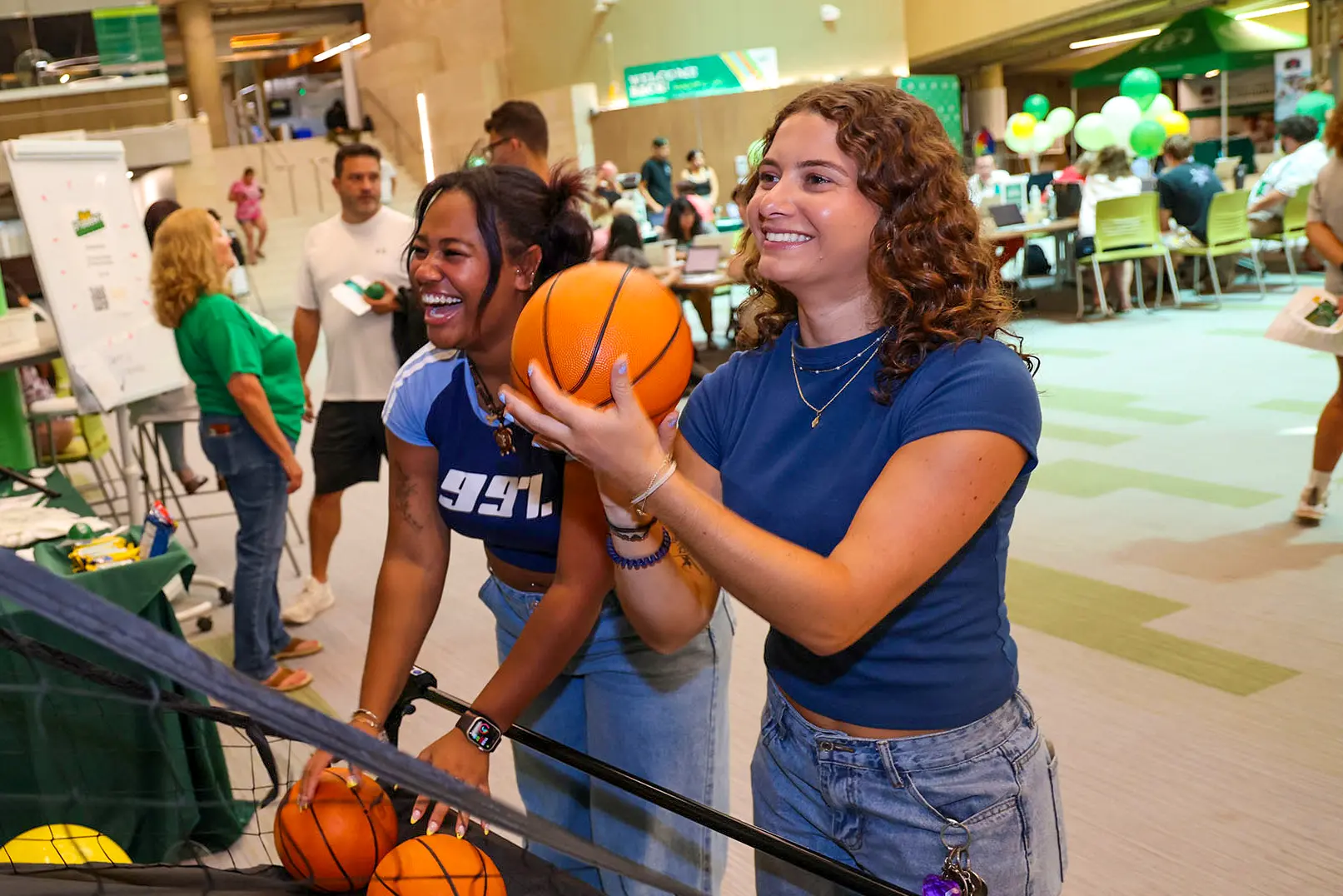
CCRI offers a vibrant campus life with a variety of events, athletic programs, and student clubs to keep you engaged and connected throughout your college experience.
Related Resources
Welcome to CCRI
Apply for Free Today!We're excited about your interest in attending the Community College of Rhode Island! Whether you're looking to discover your career path, start or complete your college degree, or take classes to enrich your life, we look forward to having you join our community!