Social Services - Associate in Arts

This program may be completed at the Knight (Warwick) Campus or Liston (Providence) Campus. Completing the program at either campus requires one or more courses be completed online.
Social Service Concentrations
Aging and Older Adults
Aging and older adult workers perform various functions in supporting healthy aging and caregiving. They are employed by nursing homes, adult day care centers, senior centers, hospitals, and private care. Aging and older adult workers are trained to assist older clients with daily living, physical care, recreation, and supportive companionship.
Mental Health
Mental health workers are trained to assist people who have mild to severe emotional problems and mental illnesses. They may find employment in group homes, hospitals, mental health agencies, community centers and assisted living programs designed to help clients of all ages achieve functional independence to their maximum capacity. They may function as advocates, intake interviewers, case aides, home visitors, program coordinators and counselors to children. Three internships are an integral part of each student’s professional preparation program.
Social Work
Social work students are provided with foundation courses that prepare them to be social service providers in a wide variety of agency program and community settings with clients of all ages. From advocacy and social activism to therapeutic assistance to children and families, social workers impact all phases of a client’s life. Three internships are an integral part of each student’s program of study and there are a variety of B.S.W. and M.S.W. programs available in Rhode Island for advanced study.
Substance Use Disorders
Substance use workers are trained in clinical skills that prepare them for employment in prevention, early intervention, and rehabilitative treatment programs with adolescents and adults at risk or suffering from addictive and compulsive disorders. Three internships are an integral part of each student’s professional preparation, and CCRI courses are a firm foundation for Rhode Island’s licensure credential. Rhode Island College (RIC) offers a B.S. in Behavioral Health Studies, and the Substance Use and Mental Health Leadership Council of RI (SUMHLC) provides training for the Certification of Alcohol and Drug Counselor (CADC) in Rhode Island.
Program Learning Outcomes
Aging and Older Adults Concentration
Upon completion of this program, a student will be able to:
- Understand the historical roots of human services, current legislation affecting service delivery, public and private attitudes influencing legislation, interpretation of policies related to human services, and the broader socio-political issues that affect human service systems.
- Understand the significance of information literacy in human services.
- Demonstrate awareness of cultural humility and the ability to create genuine and empathic relationships, problem-solve effectively, interpersonal styles, limitations, and conflict, sustaining behaviors congruent with the profession's values and ethics.
- Discuss and address the scope of conditions that promote or inhibit human functioning.
- Summarize knowledge and theory of the interactions of human systems, including individual, interpersonal, group, family, organizational, community, and societal.
- Apply knowledge and skill development in systematic analysis of service needs; planning appropriate strategies, services, and implementation; and evaluation of outcomes.
- Apply knowledge of the aging process to assess and develop individualized care plans that promote the physical, mental, and emotional well-being of older adults in various care settings.
- Implement knowledge and skills in direct service delivery and appropriate interventions.
- Incorporate human services values and attitudes and promote understanding of ethics and their application in practice.
Mental Health Concentration
Upon completion of this program, a student will be able to:
- Apply professional written and oral communication skills through responsible use of digital technology in research informed practice.
- Identify and adhere to ethical standard.
- Use historical information to understand the current world, and develop an ability to consider issues from a global perspective.
- Understand how individuals interact among groups; and develop an understanding of the beliefs, values, traditions, and practices of people from other cultures.
- Identify core principles in Social Work, including the values and ethics of the profession.
- Demonstrate professional working skills with individuals, groups and communities.
Social Work Concentration
Upon completion of this program, a student will be able to:
- Apply professional written and oral communication skills through responsible use of digital technology in research informed practice.
- Identify and adhere to ethical standard.
- Use historical information to understand the current world, and develop an ability to consider issues from a global perspective.
- Understand how individuals interact among groups; and develop an understanding of the beliefs, values, traditions, and practices of people from other cultures.
- Identify core principles in Social Work, including the values and ethics of the profession.
- Demonstrate professional working skills with individuals, groups and communities.
Substance Use Disorders Concentration
Upon completion of this program, a student will be able to:
- Apply professional written and oral communication skills through responsible use of digital technology in research informed practice.
- Identify and adhere to ethical standard.
- Use historical information to understand the current world, and develop an ability to consider issues from a global perspective.
- Understand how individuals interact among groups; and develop an understanding of the beliefs, values, traditions, and practices of people from other cultures.
- Identify core principles in Social Work, including the values and ethics of the profession.
- Demonstrate professional working skills with individuals, groups and communities.
Requirements
| Code | Title | Hours |
|---|---|---|
| General Education Requirements | ||
| ENGL 1010 | Composition I (or ENGL 1010A) | 3 |
| Mathematics Elective | Selection of Mathematics Elective for transfer should be done in consultation with a Human Services faculty advisor during the first semester of study; course requirement may not be substituted or waived | 3-4 |
| PSYC 2010 | General Psychology (Course requirement may not be substituted or waived) | 4 |
| PSYC 2020 | Social Psychology (Course requirement may not be substituted or waived) | 3 |
| PSYC 2030 | Developmental Psychology (Course requirement may not be substituted or waived) | 3 |
| Science Elective | Selection of Science Elective for transfer should be done in consultation with a Human Services faculty advisor during the first semester of study; course requirement may not be substituted or waived | 3-5 |
| Social Science Elective | Choose from categories 1-4 in the Category Choices for Social Science and Human Services Electives table below; course requirement may not be substituted or waived | 6 |
| Choose ONE of the following: | Course requirement may not be substituted or waived | 3 |
| Choose ONE of the following: | Course requirement may not be substituted or waived | 3 |
| General Sociology | ||
| Race and Ethnic Relations | ||
| Subtotal | 31-34 | |
| Major Education Requirements | ||
| HMNS 1010 | Introduction to Helping and Human Services (Course requirement may not be substituted or waived) | 3 |
| HMNS 1040 | Drugs and Human Behavior | 4 |
| HMNS 1200 | Practicum I: Service Learning^ (Work-based learning course; course requirement may not be substituted or waived) | 5 |
| HMNS 2110 | Introduction to Social Work and Social Welfare | 4 |
| HMNS 2130 | Therapeutic Interventions I: Working with Individuals (Course requirement may not be substituted or waived) | 3 |
| HMNS 2135 | Therapeutic Interventions II: Group Process and Practice | 3 |
| or HMNS 2230 | Human Behavior & Social Justice | |
| HMNS 2200 | Assessment Interviewing for Treatment Planning (Course requirement may not be substituted or waived) | 3 |
| HMNS 2340 | Field Experience Seminar II-Social Work, Aging, and Older Adults^ (Work-based learning course) | 3 |
| or HMNS 2360 | Field Experience Seminar II-Mental Health/Substance Use^ | |
| HMNS 2440 | Field Experience Seminar III-Social Work, Aging, and Older Adults^ (Work-based learning course; course requirement may not be substituted or waived) | 3 |
| or HMNS 2460 | Field Experience Seminar III-Mental Health and Substance Use^ | |
| HMNS 2900 | Human Services Capstone (Course requirement may not be substituted or waived) | 3 |
| Human Services Elective | Choose from category 5 in the Category Choices for Social Science and Human Services Electives table below 5 | 3 |
| Subtotal | 37 | |
| Total Hours | 68-71 | |
Category Choices for Social Science and Human Services Electives
| Code | Title | Hours |
|---|---|---|
| Category 1 | ||
| PSYC 1030 | Psychology of Personal Adjustment | 3 |
| Category 2 | ||
| SOCS 2020 | Marriage and Family | 3 |
| SOCS 2040 | Race and Ethnic Relations | 3 |
| SOCS 2300 | Criminology | 3 |
| Category 3 | ||
| ECON 2030 | Principles of Microeconomics | 3 |
| ECON 2040 | Principles of Macroeconomics | 3 |
| Category 4 | ||
| POLS 1010 | American Government and Politics | 3 |
| Category 5 | ||
| HMNS 1090 | Foundations of Aging, Older Adults, and Caregiving | 3 |
| HMNS 2070 | Characteristics and Needs of Special Populations | 3 |
| HMNS 2135 | Therapeutic Interventions II: Group Process and Practice | 3 |
| HMNS 2150 | Parent and Child Relations | 3 |
| HMNS 2202 | Mental Health and Wellness | 3 |
| HMNS 2208 | Case Management | 3 |
| HMNS 2220 | Social Work Program and Policy Analysis (Meets RIC transfer requirements) | 3 |
| HMNS 2230 | Human Behavior & Social Justice | 3 |
| Field II experience outside one's concentration. | ||
Recommended Course Sequence
Aging and Older Adults Concentration
| Year 1 | ||
|---|---|---|
| Semester 1 | Hours | |
| ENGL 1010 | Composition I (or ENGL 1010A) | 3 |
| HMNS 1010 | Introduction to Helping and Human Services | 3 |
| HMNS 2200 | Assessment Interviewing for Treatment Planning | 3 |
| PSYC 2010 | General Psychology | 4 |
| Mathematics Elective | 3 | |
| Hours | 16 | |
| Semester 2 | ||
| HMNS 1090 | Foundations of Gerontology and Elder Care | 3 |
| HMNS 1200 | Practicum I: Service Learning^ (Work-based learning course) | 5 |
| HMNS 2110 | Introduction to Social Work and Social Welfare | 4 |
| PSYC 2020 | Social Psychology | 3 |
| Choose ONE of the following: | 3 | |
| General Sociology | ||
| Race and Ethnic Relations | ||
| Hours | 18 | |
| Year 2 | ||
| Semester 1 | ||
| HMNS 2130 | Therapeutic Interventions I: Working with Individuals | 3 |
| HMNS 2340 | Field Experience Seminar II-Social Work, Aging, and Older Adults^ (Work-based learning course) | 3 |
| PSYC 2030 | Developmental Psychology | 3 |
| Social Science Elective | 3 | |
| Social Science Elective | 3 | |
| Choose ONE of the following: | 3 | |
| Hours | 18 | |
| Semester 2 | ||
| HMNS 1040 | Drugs and Human Behavior | 4 |
| HMNS 2440 | Field Experience Seminar III-Social Work, Aging, and Older Adults^ (Work-based learning course) | 3 |
| HMNS 2900 | Human Services Capstone | 3 |
| Science Elective | Selection of Science Elective for transfer should be done in consultation with a Human Services faculty advisor during the first semester of study | 3-5 |
| Choose ONE of the following: | 3 | |
| Therapeutic Interventions II: Group Process and Practice | ||
| Individuals, Families and Small Groups | ||
| Hours | 16-18 | |
| Total Hours | 68-70 | |
Mental Health Concentration
| Year 1 | ||
|---|---|---|
| Semester 1 | Hours | |
| ENGL 1010 | Composition I (or ENGL 1010A) | 3 |
| HMNS 1010 | Introduction to Helping and Human Services | 3 |
| HMNS 2200 | Assessment Interviewing for Treatment Planning | 3 |
| PSYC 2010 | General Psychology | 4 |
| Mathematics Elective | 3 | |
| Hours | 16 | |
| Semester 2 | ||
| HMNS 1040 | Drugs and Human Behavior | 4 |
| HMNS 1200 | Practicum I: Service Learning^ (Work-based learning course) | 5 |
| HMNS 2110 | Introduction to Social Work and Social Welfare | 4 |
| PSYC 2020 | Social Psychology | 3 |
| Choose ONE of the following: | 3 | |
| General Sociology | ||
| Race and Ethnic Relations | ||
| Hours | 19 | |
| Year 2 | ||
| Semester 1 | ||
| HMNS 2130 | Therapeutic Interventions I: Working with Individuals | 3 |
| HMNS 2360 | Field Experience Seminar II-Mental Health/Substance Use^ (Work-based learning course) | 3 |
| PSYC 2030 | Developmental Psychology | 3 |
| Social Science Elective | 3 | |
| Social Science Elective | 3 | |
| Choose ONE of the following: | 3 | |
| Hours | 18 | |
| Semester 2 | ||
| HMNS 2460 | Field Experience Seminar III-Mental Health and Substance Use^ (Work-based learning course) | 3 |
| HMNS 2900 | Human Services Capstone | 3 |
| Science Elective | 3-5 | |
| Human Services Elective | Choose from category 5 in the Category Choices for Social Science and Human Services Electives table on the requirements page | 3 |
| Choose ONE of the following: | 3 | |
| Therapeutic Interventions II: Group Process and Practice | ||
| Individuals, Families and Small Groups | ||
| Hours | 15-17 | |
| Total Hours | 68-70 | |
Social Work Concentration
| Year 1 | ||
|---|---|---|
| Semester 1 | Hours | |
| ENGL 1010 | Composition I (or ENGL 1010A) | 3 |
| HMNS 1010 | Introduction to Helping and Human Services | 3 |
| HMNS 2200 | Assessment Interviewing for Treatment Planning | 3 |
| PSYC 2010 | General Psychology | 4 |
| Mathematics Elective | 3 | |
| Hours | 16 | |
| Semester 2 | ||
| HMNS 1040 | Drugs and Human Behavior | 4 |
| HMNS 1200 | Practicum I: Service Learning^ (Work-based learning course) | 5 |
| HMNS 2110 | Introduction to Social Work and Social Welfare | 4 |
| PSYC 2020 | Social Psychology | 3 |
| Choose ONE of the following: | 3 | |
| General Sociology | ||
| Race and Ethnic Relations | ||
| Hours | 19 | |
| Year 2 | ||
| Semester 1 | ||
| HMNS 2130 | Therapeutic Interventions I: Working with Individuals | 3 |
| HMNS 2340 | Field Experience Seminar II-Social Work, Aging, and Older Adults^ (Work-based learning course) | 3 |
| PSYC 2030 | Developmental Psychology | 3 |
| Social Science Elective | 3 | |
| Social Science Elective | 3 | |
| Choose ONE of the following: | 3 | |
| Hours | 18 | |
| Semester 2 | ||
| HMNS 2440 | Field Experience Seminar III-Social Work, Aging, and Older Adults^ (Work-based learning course) | 3 |
| HMNS 2900 | Human Services Capstone (Capstone) | 3 |
| Science Elective | 3-5 | |
| Human Services Elective | Choose from category 5 in the Category Choices for Social Science and Human Services Electives table on the requirements page | 3 |
| Choose ONE of the following: | 3 | |
| Therapeutic Interventions II: Group Process and Practice | ||
| Individuals, Families and Small Groups | ||
| Hours | 15-17 | |
| Total Hours | 68-70 | |
Substance Use Disorders Concentration
| Year 1 | ||
|---|---|---|
| Semester 1 | Hours | |
| ENGL 1010 | Composition I (or ENGL 1010A) | 3 |
| HMNS 1010 | Introduction to Helping and Human Services | 3 |
| HMNS 2200 | Assessment Interviewing for Treatment Planning | 3 |
| Mathematics Elective | Selection of Mathematics Elective for transfer should be done in consultation with a Human Services faculty advisor during the first semester of study | 3 |
| Human Services Elective | Refer to program requirements tab for approved electives | 4 |
| Hours | 16 | |
| Semester 2 | ||
| HMNS 1040 | Drugs and Human Behavior | 4 |
| HMNS 1200 | Practicum I: Service Learning^ (Work-based learning course) | 5 |
| HMNS 2130 | Therapeutic Interventions I: Working with Individuals | 3 |
| PSYC 2020 | Social Psychology | 3 |
| Choose ONE of the following: | 3 | |
| General Sociology | ||
| Race and Ethnic Relations | ||
| Hours | 18 | |
| Year 2 | ||
| Semester 1 | ||
| HMNS 2110 | Introduction to Social Work and Social Welfare | 4 |
| HMNS 2360 | Field Experience Seminar II-Mental Health/Substance Use^ (Work-based learning course) | 3 |
| PSYC 2030 | Developmental Psychology | 3 |
| Social Science Elective | 3 | |
| Social Science Elective | 3 | |
| Choose ONE of the following: | 3 | |
| Hours | 19 | |
| Semester 2 | ||
| HMNS 2460 | Field Experience Seminar III-Mental Health and Substance Use^ (Work-based learning course) | 3 |
| HMNS 2900 | Human Services Capstone (Capstone) | 3 |
| Science Elective | Selection of Science Elective for transfer should be done in consultation with a Human Services faculty advisor during the first semester of study | 3-5 |
| Human Services Elective | Refer to program requirements tab for approved electives | 3 |
| Choose ONE of the following: | 3 | |
| Therapeutic Interventions II: Group Process and Practice | ||
| Individuals, Families and Small Groups | ||
| Hours | 15-17 | |
| Total Hours | 68-70 | |
Transfer Information
The Human Services program at CCRI has a solid articulation transfer agreement with the School of Social Work at RIC that provides full transfer of all courses completed for the social work major toward the B.S.W. Students must follow the new transfer guide or obtain copies from their Human Services faculty advisers.
Note: Students enrolled in the Human Services program must earn a grade of C or better in all Human Services courses. Students should consider transfer requirements when selecting math and science courses.
Many courses require prerequisites, corequisites and/or testing. See course descriptions for details.
Where Opportunity Meets Affordability
Why Choose CCRI?
CCRI, one of New England's most affordable colleges, is now completely free for Rhode Island students heading straight from high school thanks to the Rhode Island Promise Scholarship. For those pursuing a bachelor's degree, starting at CCRI can also lead to up to 30% discounted tuition at Rhode Island College or the University of Rhode Island upon transferring.
Our Services
We Are Here for You!
CCRI puts your success at the center of all we do. Staff from our Advising and Counseling, The Tutoring Center, Career Services, Benefits Hub, Financial Aid, Veteran Services, and the entire Division of Student Services is here every step of the way to help you reach your academic and career goals.
At One Stop we assist prospective, current, and former students, with a variety of processes including applying to college, checking financial aid status, turning in required documents, registering for classes, paying your bill, and more!
The Advising Center offers a full range of services for CCRI students. These services include academic advising, career, educational and personal counseling services.
CCRI's Tutoring Center provides free in-person and online tutoring and academic coaching to help you achieve success.
Career Services collaborates with and prepares our diverse student population to make well-informed career decisions through professional readiness, exploration, and work-based learning opportunities.
The Benefits Hub offers students basic needs assistance grounded in respect, trust, and equity.
CCRI offers financial assistance to students who might otherwise be unable to further their education without such support. The Financial Aid Department is here to guide you through the process.
The CCRI Veteran Services Office is committed to being a resource to all VA education beneficiaries.
Where Campus Life Comes to Life!
Beyond the Classroom
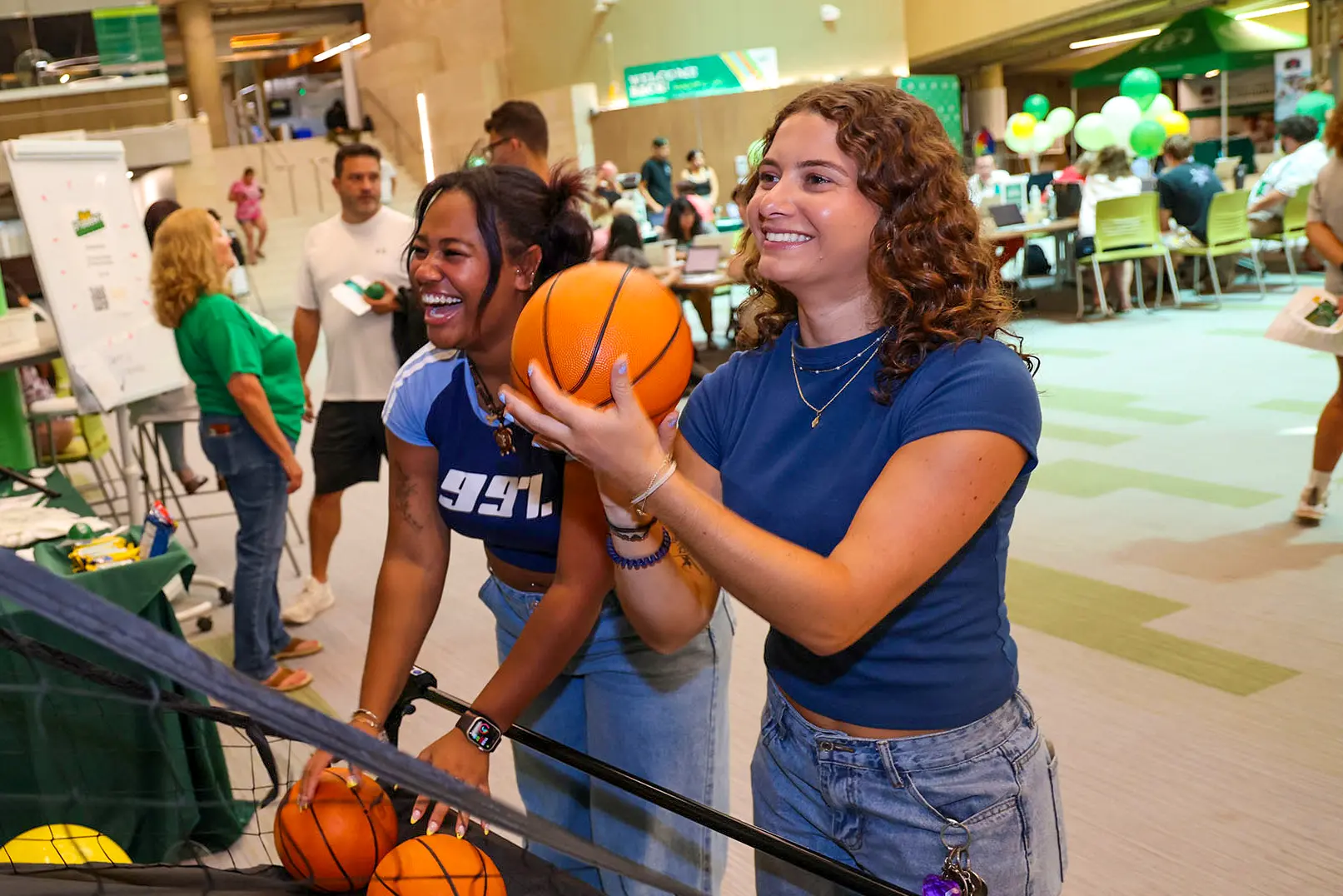
CCRI offers a vibrant campus life with a variety of events, athletic programs, and student clubs to keep you engaged and connected throughout your college experience.
Related Resources
Welcome to CCRI
Apply for Free Today!We're excited about your interest in attending the Community College of Rhode Island! Whether you're looking to discover your career path, start or complete your college degree, or take classes to enrich your life, we look forward to having you join our community!