Allied and Rehabilitative Health
Whether sonography, radiography, respiratory therapy, medical laboratory science, histotechnology, phlebotomy, MRI, CT, or renal dialysis technician, you will find your vocation in the Allied and Rehabilitative Health Department!

Pursue Your Passion
The Allied and Rehabilitative Health Department seeks to prepare and engage future healthcare professionals who will, in their respective disciplines, serve the healthcare needs of the community. Students who complete their program of study will do so with a sense of pride, compassion and integrity, and with the knowledge that they will become productive and contributing members of the healthcare workforce for the State of Rhode Island and surrounding regions.
Associate Degree Programs

Diagnostic medical sonography is a rapidly growing technology used to locate, evaluate and record pertinent anatomical, pathological and functional data to aid the physician in the diagnosis and prevention of disease.
Learn More
Histotechnicians are integral members of the healthcare team. It is the job of the histotechnician to prepare sections of human tissue from biopsy or autopsy for microscopic examination.
Learn More
Tremendous advances in medicine have resulted in an ever-increasing demand for diagnostic laboratory tests. The complexity of laboratory sciences today requires a highly trained technician to carry out these intricate analyses.
Learn More
Occupational therapy is the use of purposeful activity and interventions to promote health and achieve functional outcomes in areas such as activities of daily living, work, play, or education activities.
Learn More
Physical therapist assistants work under the supervision of a physical therapist utilizing prescribed activities to help patients recover physical function lost through disease, injury or other causes, and to relieve pain and promote healing.
Learn More
A radiographer is a person who uses x-radiation, a knowledge of anatomy, and imaging principles to aid physicians in the diagnosis of disease, in monitoring patient progress, in controlled screenings for early detection, or in research.
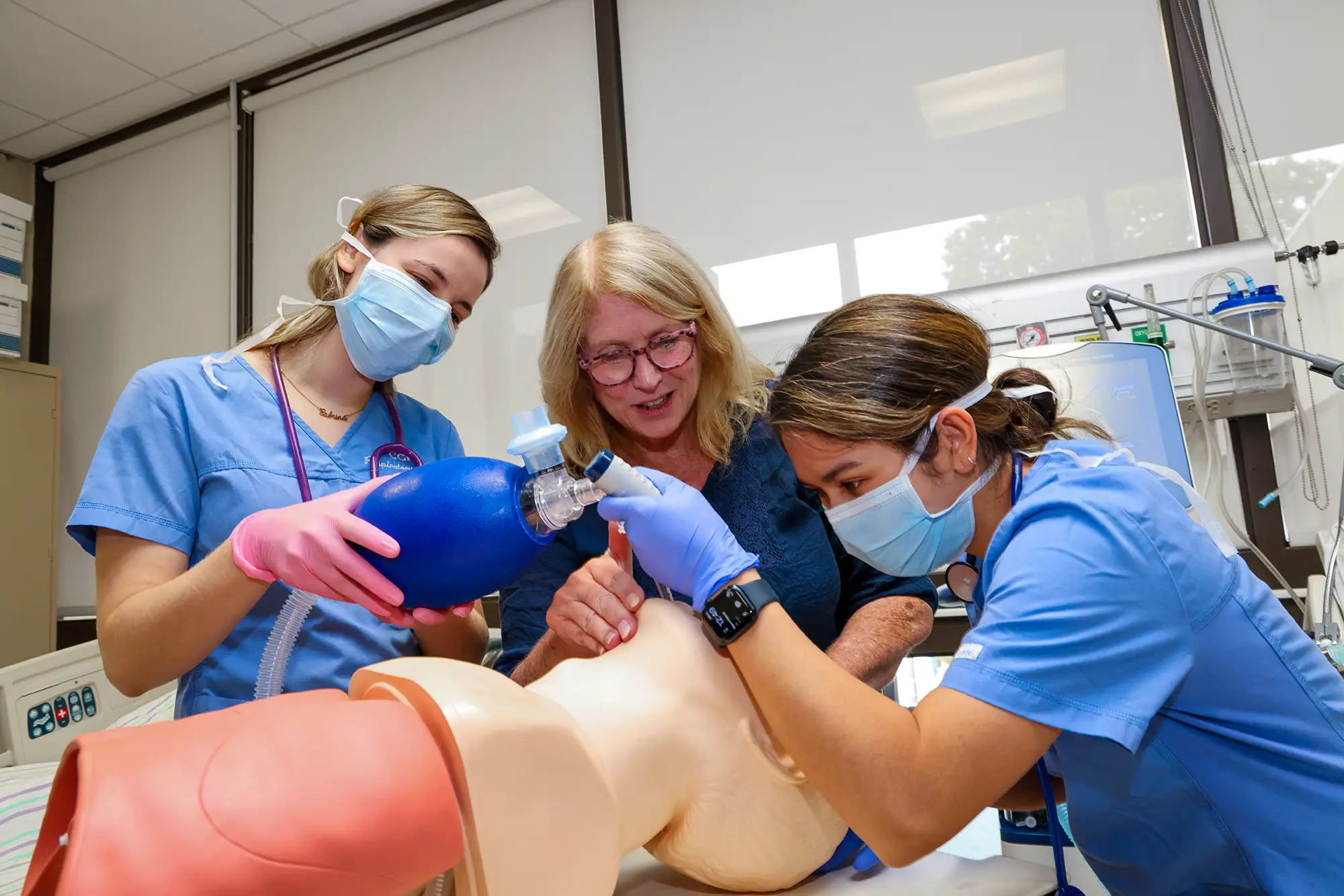
Respiratory Therapists work under the direction of a physician to evaluate, treat and care for patients with breathing disorders.

Surgical technologists are healthcare professionals who work closely with surgeons, anesthesiologists, registered nurses and other surgical personnel in an operating room to deliver optimal patient care.
Certificate Programs

The CCRI Computed Tomography Imaging certificate program prepares licensed radiographers with the scientific knowledge and skills to produce useful and complete diagnostic studies for all areas and systems of the body.
Learn More
A magnetic resonance imaging technologist uses magnets and radio waves, a knowledge of anatomy, and imaging principles to aid physicians in the diagnosis of disease.
Learn More
Mammography is a specialized form of X-ray imaging used to detect and diagnose breast cancer at an early stage.
Learn More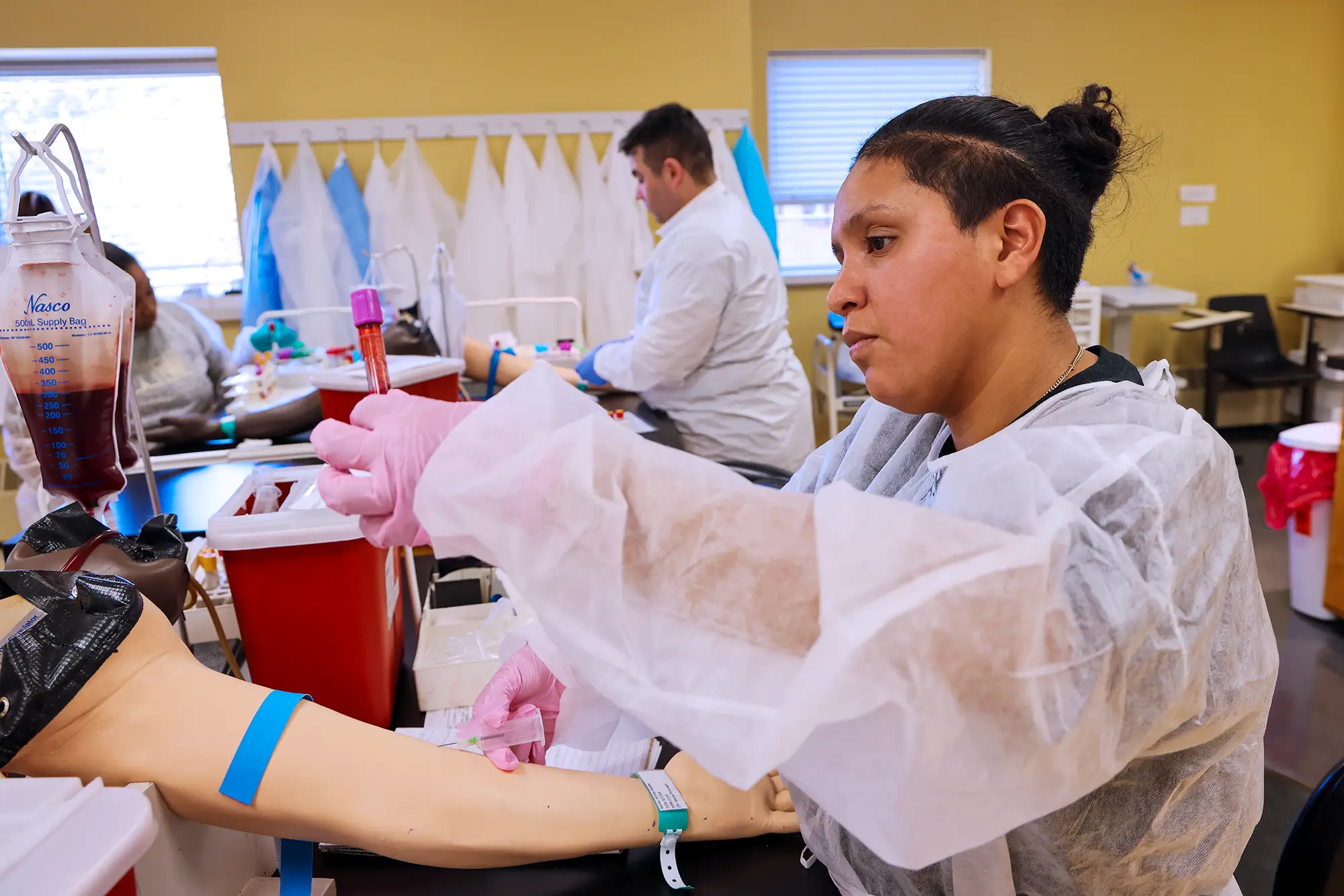
A phlebotomist is an important member of the healthcare team. Phlebotomists obtain blood specimens by venipuncture and skin puncture.
Learn More
A hemodialysis technician, also known as a renal dialysis technician, provides direct patient care and assists with the operation and maintenance of hemodialysis equipment.
Learn More
The Therapeutic Massage certificate program offers students a strong scientific background for the understanding and application of various soft tissue techniques to promote health and wellness.
Learn MoreHave A Question?
Contact Allied and Rehabilitative HealthThe Allied and Rehabilitative Health Department seeks to prepare and engage future healthcare professionals who will, in their respective disciplines, serve the healthcare needs of the community.